
UBA Pressure Washing
& Sealer · Sarasota, FL
(941) 320‑6172
Free Quote →
Pressure washing looks like the faster fix, but on Florida tile and stucco it’s the one that causes damage. Here’s the real difference, and when high pressure is actually fine.
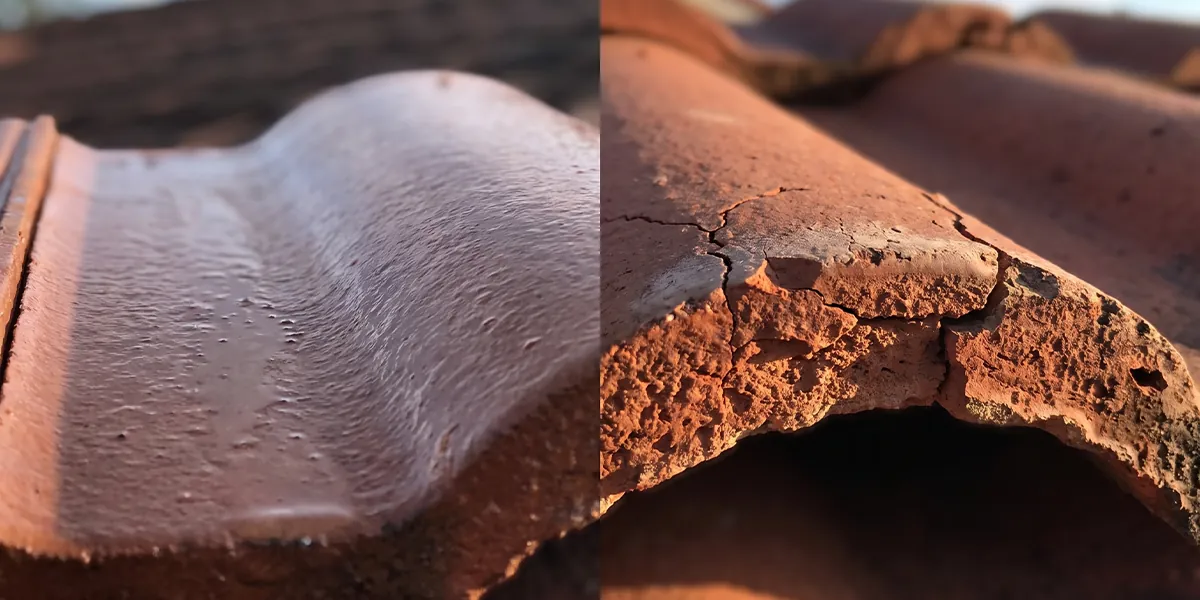
Soft wash is the correct method for anything with a coating, a seal, or a surface that can crack under force: tile roofs, shingle roofs, stucco walls. Pressure wash has its place, but that place is concrete, pavers, and driveways, surfaces built to take direct force. Mixing the two up is the single most common way a Florida homeowner ends up with a cracked tile or stripped stucco finish they didn’t know was possible from a cleaning appointment.
Soft washing uses low water pressure, typically 100 to 200 PSI, paired with a biodegradable cleaning solution that does the actual work of killing algae, mold, and lichen at the root. The water is a rinse step, not the tool doing the cleaning. That distinction matters because it’s the chemistry, not the force, that removes the organism.
Pressure washing relies on water force alone, commonly 2,000 to 4,000 PSI, to physically blast material off a surface. It works well on concrete because concrete is dense and designed to be walked on, driven over, and hosed down. Put that same force against a clay tile, a concrete tile glaze, or a stucco finish coat, and the surface loses material it was never built to lose.
A pressure-washing mistake on a roof in a drier climate might go unnoticed for years. In Sarasota and Manatee’s humidity, a compromised tile glaze or a hairline stucco crack becomes a moisture problem within one rainy season, not five. HOA covenants that require documented roof cleanliness, and the 4-point insurance inspections Florida homeowners increasingly face at renewal, both look at tile condition directly, and a cracked or lifted tile from an old pressure-wash job can flag a roof as a liability risk before anyone’s even talked about algae.
The two methods aren’t interchangeable options at different price points. They’re built for different jobs, and the table below is the fastest way to see why.
| Soft Wash | Pressure Wash | |
|---|---|---|
| Typical PSI | 100-200 | 2,000-4,000 |
| What does the cleaning | Chemistry, dwell time | Water force |
| Safe for tile roofs | Yes | No, cracks tile and lifts granules |
| Safe for stucco | Yes | No, strips the finish coat |
| Safe for concrete/pavers | Overkill, slower | Yes, built for this |
| Kills algae at the root | Yes | No, blasts the surface, growth returns faster |
| Manufacturer warranty impact | Preserves it | Can void it |
The table holds up in practice more than it sounds like a marketing simplification. A crew that shows up with only a pressure washer on the truck is telling you something before they’ve said a word: they’re planning to run one method on everything, tile roof and driveway alike, and one of those two surfaces is going to lose.
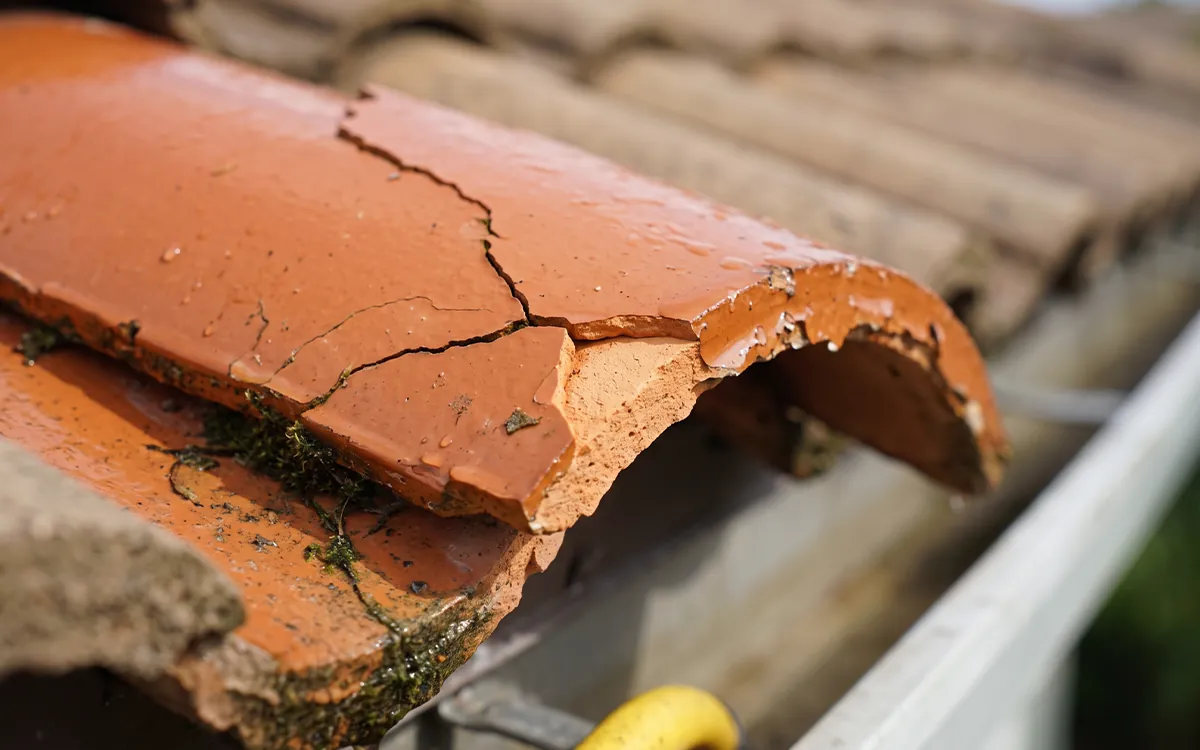
Clay barrel tile and concrete flat tile both carry a surface glaze or coating layer, and direct high-pressure water strips that layer the same way sandpaper would, just faster. Once the glaze is compromised, the tile absorbs water instead of shedding it, which accelerates cracking in Florida’s freeze-thaw-adjacent humidity swings and voids most manufacturer warranties outright. The Asphalt Roofing Manufacturers Association’s own maintenance guidance calls for low-pressure cleaning methods on tile specifically because of this.
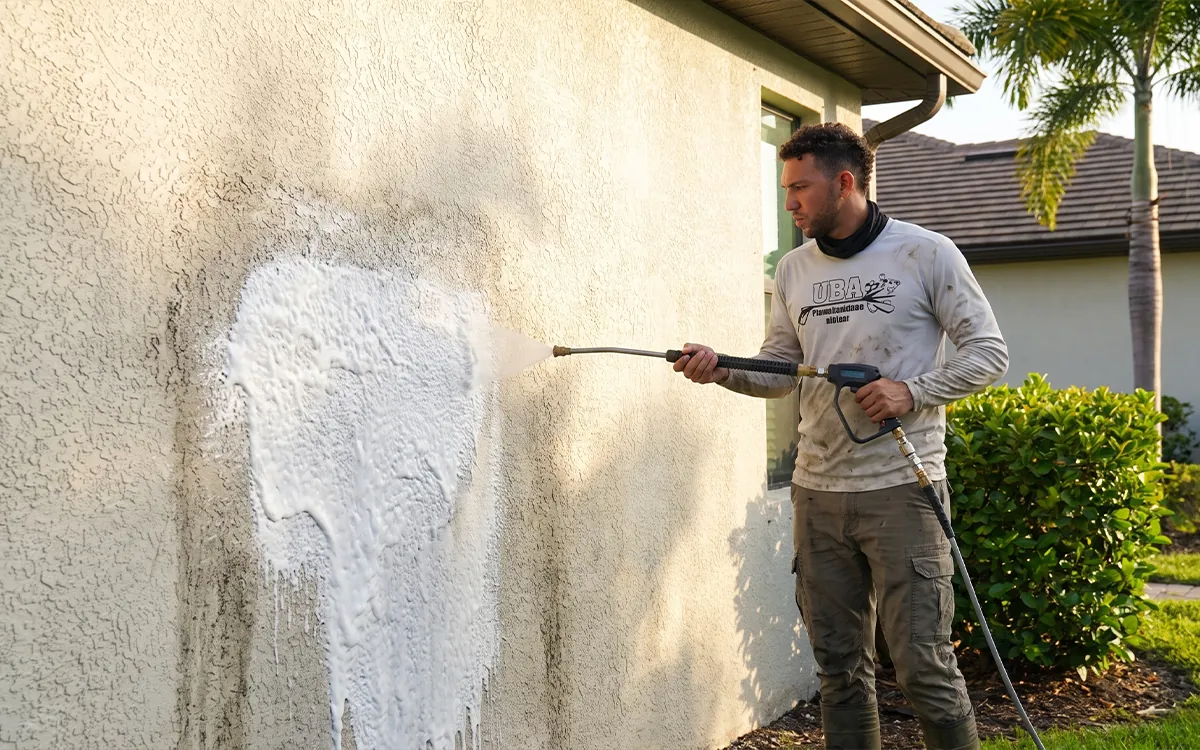
Stucco’s finish coat is a thin, somewhat porous layer designed to flex slightly and shed water, not absorb a direct blast. High pressure drives water behind that finish coat through hairline cracks that are invisible from the ground, and trapped moisture behind stucco is how mold and structural staining problems start, not how they get solved. A soft wash treats the surface from the outside in instead of forcing water through it.
The concern homeowners usually raise is whether a gentler method actually cleans as well, and the honest answer is that it cleans better for anything with visible algae or mold, since the chemistry kills the organism at the root instead of just knocking the surface layer off. A pressure-washed roof or wall often looks clean the day the crew leaves and shows regrowth within months, because the spores that survived below the surface never actually died. Soft wash’s biodegradable solution, applied with proper dwell time, is formulated to meet safety standards like the EPA’s Safer Choice criteria while still doing the job pressure alone can’t.
Asphalt shingle follows the same rule as tile, just with a different failure mode. High pressure strips the protective granules embedded in the shingle surface, and once those granules are gone, the shingle underneath is exposed to UV degradation it was never designed to handle bare. A shingle roof stripped by pressure washing doesn’t crack the way tile does, it just ages years in a single afternoon, and most shingle manufacturers list pressure washing as a warranty-voiding maintenance method for exactly that reason.
None of this makes pressure washing a bad method. It makes it the wrong method for the wrong surface, which is a different problem.
Concrete driveways, paver walkways, and pool decks are dense, non-porous, and built to be driven on, so they can absorb direct force without structural consequence. Pressure washing is often the faster and more effective choice on these surfaces, particularly for stripping old sealant, oil stains, or heavy embedded dirt that a soft wash’s chemistry-first approach would take longer to lift.
If the surface has a coating, a seal, a paint finish, or is genuinely porous, like tile, stucco, shingle, or painted siding, it needs soft wash. If the surface is bare, dense, and built for foot or vehicle traffic, like concrete, unsealed pavers, or brick, pressure washing is fine and often preferable. A crew that runs the same PSI setting on your roof and your driveway is telling you they’re not actually making that distinction job to job.
The same logic extends past roofs and driveways. Aluminum gutters can dent under a concentrated pressure stream, and pool cage screens tear if a wand gets held too close, so both get the gentler treatment despite not being roof or wall surfaces in the strictest sense. The real question is never “is this a roof or a driveway,” it’s “can this specific material take direct force without losing something it can’t grow back.”
UBA runs soft wash exclusively on every tile roof, shingle roof, and stucco job, and pressure wash exclusively on driveways, pavers, and concrete. That’s not a marketing position, it’s the same standard the Asphalt Roofing Manufacturers Association and most tile manufacturers require to keep a warranty intact.
Every roof or stucco job runs the full soft wash protocol: chemistry calibrated to the growth type and surface material, plant protection before application, a proper dwell period so the chemistry actually kills the organism, and a neutralizer rinse at the end. Homeowners who want the sealed version of this protection can add HydroLock, UBA’s proprietary tile sealer, which extends the interval between cleanings from 12 to 18 months out to 5 years.
A recurring version of this call goes the same way. A homeowner books a cheap pressure wash, the roof looks great for a few weeks, and then a stain starts spreading across a ceiling that has nothing to do with algae. By the time a roofer traces it back to a hairline tile crack from the cleaning appointment, the original crew is long gone and the manufacturer warranty is already void because pressure washing is on record as the method used. It’s a more expensive outcome than the soft wash quote would have been, just deferred by a few months.
A cracked tile from high pressure often doesn’t show up as a leak until months later, once water has been working its way through the compromised glaze during rain events. By then, the company that pressure washed the roof is long gone, and the repair bill lands on the homeowner along with a voided manufacturer warranty. Reviewing a full breakdown of UBA’s soft wash process is a reasonable next step before booking anyone for a Florida tile roof.
You can, but you shouldn’t. High pressure strips the protective glaze off both clay and concrete tile, accelerates cracking, and voids most manufacturer warranties. Soft washing is the correct method for any Florida tile roof.
Often, yes. Most tile and shingle manufacturers specify low-pressure or chemical wash methods in their maintenance guidance, and a documented pressure-wash job can be grounds for a denied warranty claim later.
Yes, and it’s the recommended method. Pressure forces water behind the stucco finish coat through hairline cracks, which leads to trapped moisture and mold problems that are harder to fix than the algae the cleaning was meant to remove.
Soft wash uses specialized chemistry, proper dwell time, and plant protection, which takes longer and costs more in materials than simply blasting a surface with a hose attachment. The cost difference reflects a genuinely different process, not a markup on the same service.
No. It’s the right call for concrete, pavers, and driveways, and the wrong call for tile, stucco, shingle, or anything with a coating or seal. The surface material decides the method, not the company’s preference.
Yes. Concrete driveways, paver walkways, pool decks, and other hardscapes get the pressure-wash treatment as a separate service line, often booked in the same visit as a roof or stucco soft wash to save on a second trip.
Ask for the PSI they run on a roof. If the number is anywhere near what they’d use on a driveway, they’re pressure washing and calling it soft wash. A real soft wash job runs 100 to 200 PSI on a roof, full stop.
No. Every roof and stucco job runs soft wash, full stop. Pressure washing is reserved for concrete, pavers, and driveways, where it’s the correct tool rather than a shortcut.
Tell us what you’re trying to clean, roof, stucco, driveway, or pavers, and we’ll tell you honestly which method it actually needs and what it costs.