Pressure belongs on concrete, not on any roof
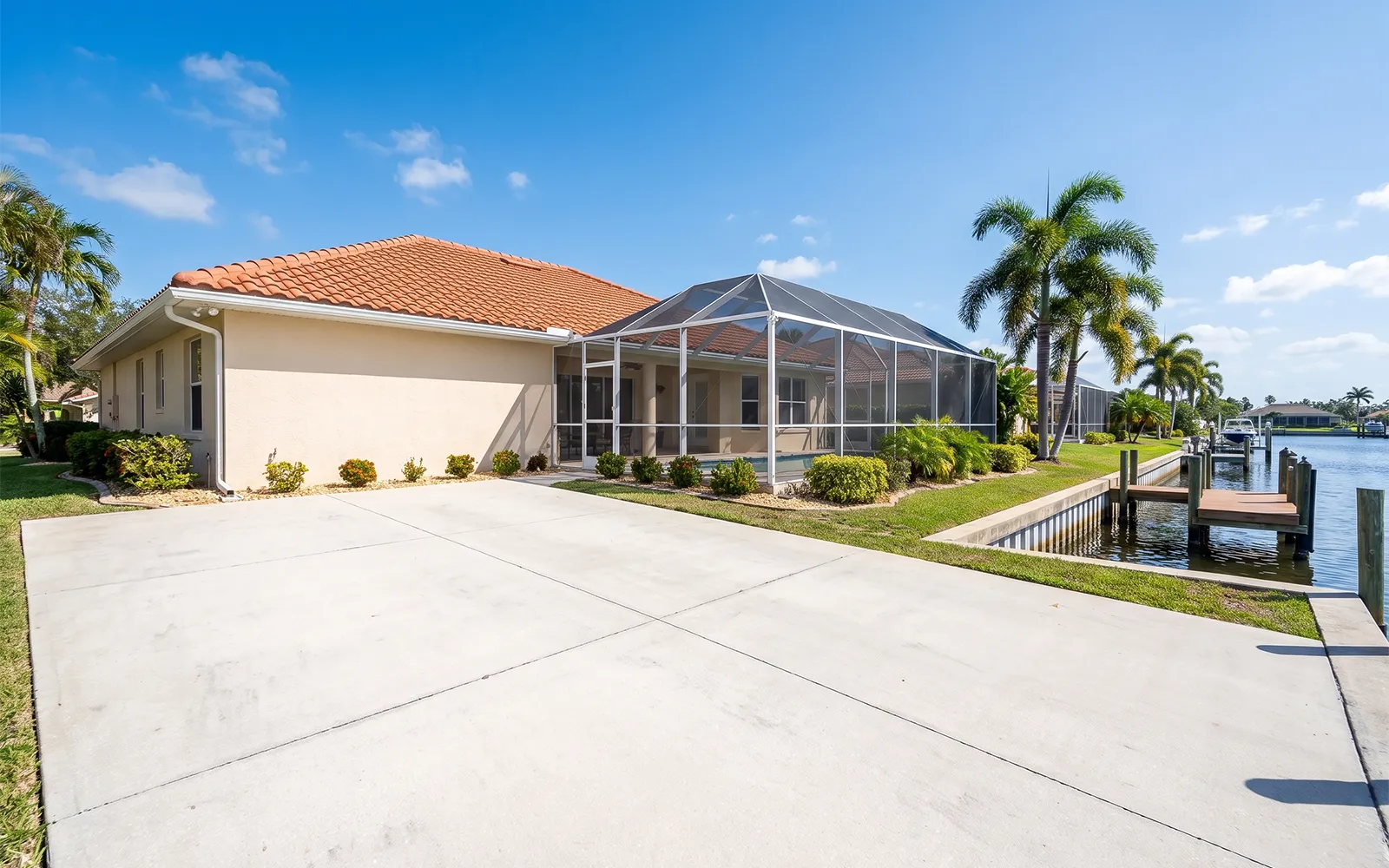
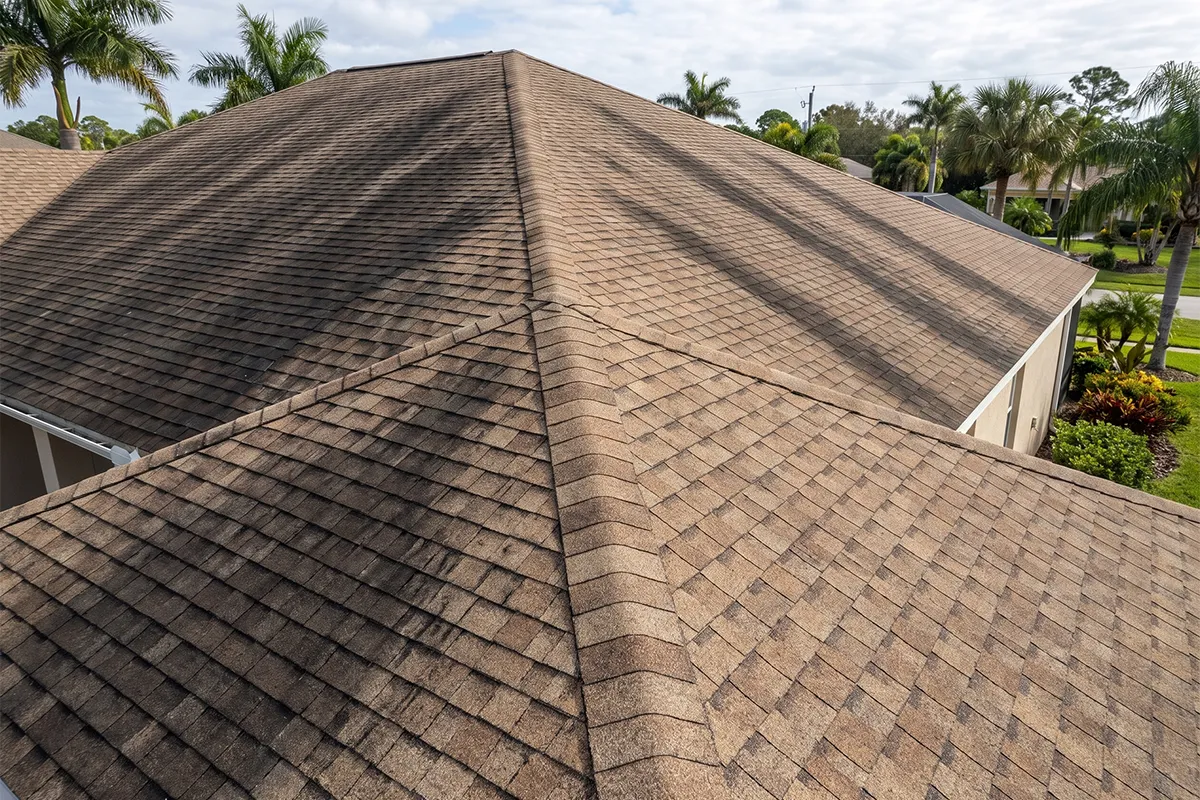
Concrete flatwork, pavers and sidewalks take a surface cleaner at working pressure and come out better for it. Roofs, stucco, soffits, screen enclosures and painted surfaces do not. On shingle, high pressure removes the granule layer that is the roof's UV protection and its fire rating, and the damage is permanent. On tile it cracks barrel tile and drives water sideways past the underlayment. Josh Yoder spent fifteen years in the roofing trade before founding UBA, and that is why this company draws the line where it does.
Chemistry does the work at 100 to 200 PSI
A soft wash runs at roughly garden-hose pressure and lets a sodium-hypochlorite-based mix do the cleaning, killing the growth at the root instead of blasting the top layer off and leaving the spores behind. That is why a soft-washed roof stays clean longer than a pressure-washed one that looked identical on day one, and it is the method the roofing industry itself specifies for maintenance.
Why the method matters most on a roof this new
On a roof replaced in the last few years, the cleaning method is part of the warranty conversation rather than a preference. Shingle and tile manufacturer documentation names low-pressure or chemical cleaning and excludes damage traced to high-pressure washing, so the wrong machine can quietly convert a covered repair into an uncovered one on a roof you have barely owned. We document the method used and the condition of the roof before and after, which is the record you want if that question is ever asked. Background on soft wash versus pressure wash.