Pressure belongs on concrete, not on tile
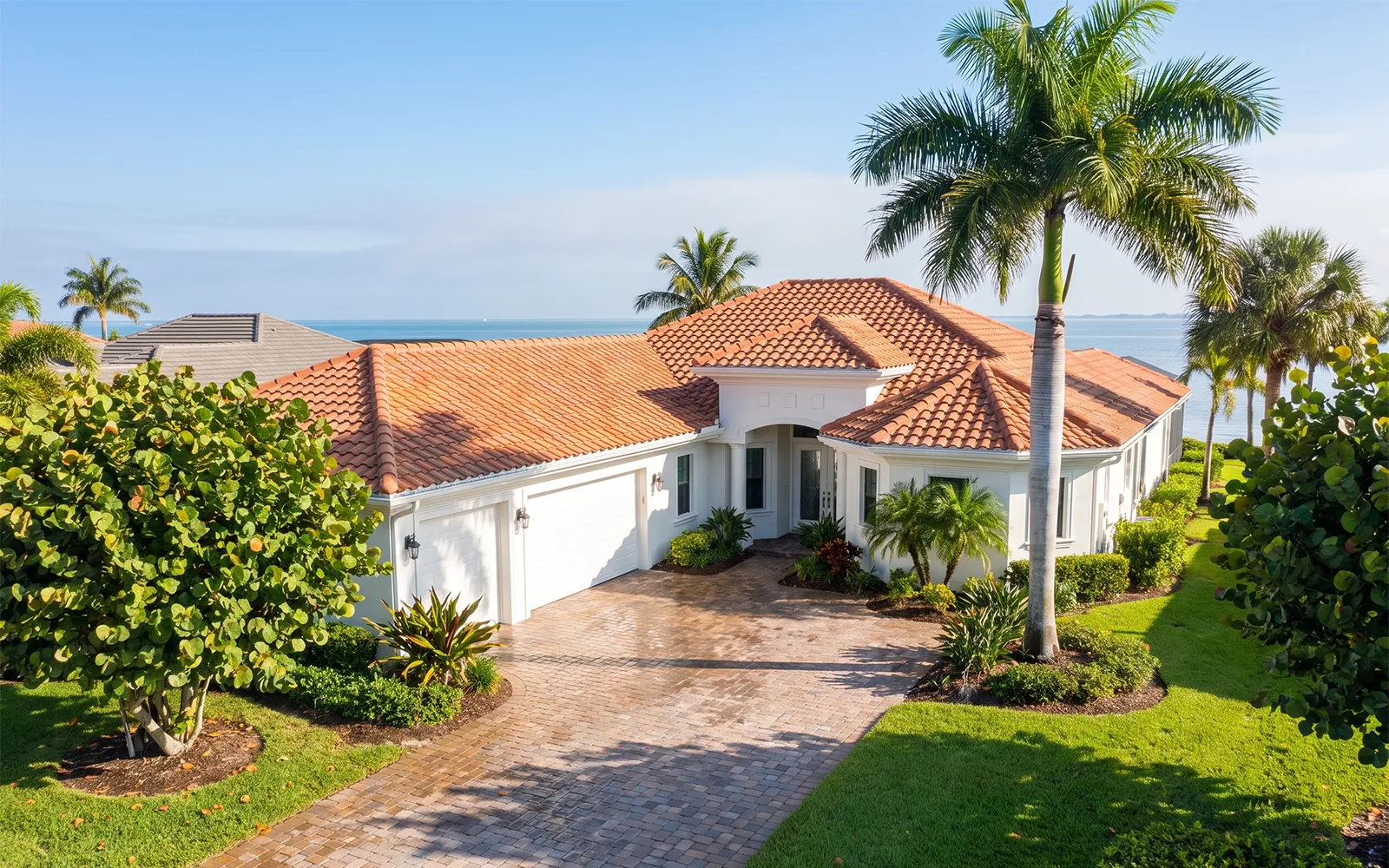
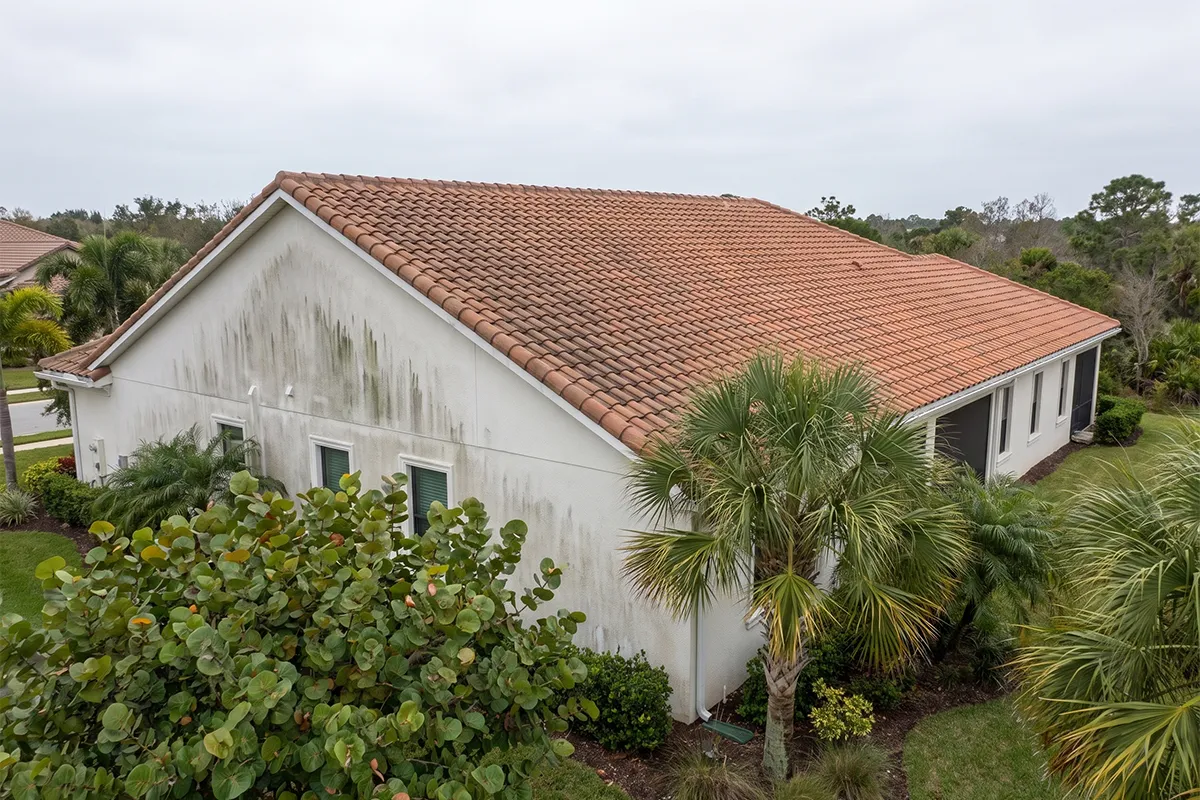
Concrete flatwork, pavers and sidewalks take a surface cleaner at working pressure and come out better for it. Roofs, stucco, soffits, screen enclosures and painted surfaces do not, and a high-pressure wand on any of them causes damage that arrives later as a repair bill. On an older Venice tile roof the margin is thinner still, because decades of weathering have already opened the tile surface, and pressure that a newer roof would shrug off takes material off this one. Josh Yoder spent fifteen years in the roofing trade before founding UBA, and that is why this company draws the line where it does.
Chemistry does the work at 100 to 200 PSI
A soft wash runs at roughly garden-hose pressure and lets a sodium-hypochlorite-based mix do the cleaning, killing the growth at the root instead of blasting the top layer off and leaving the spores behind. That is why a soft-washed roof stays clean longer than a pressure-washed one that looked identical on day one, and it is the method the roofing industry itself specifies for maintenance.
Where the rinse water goes matters more on this coast
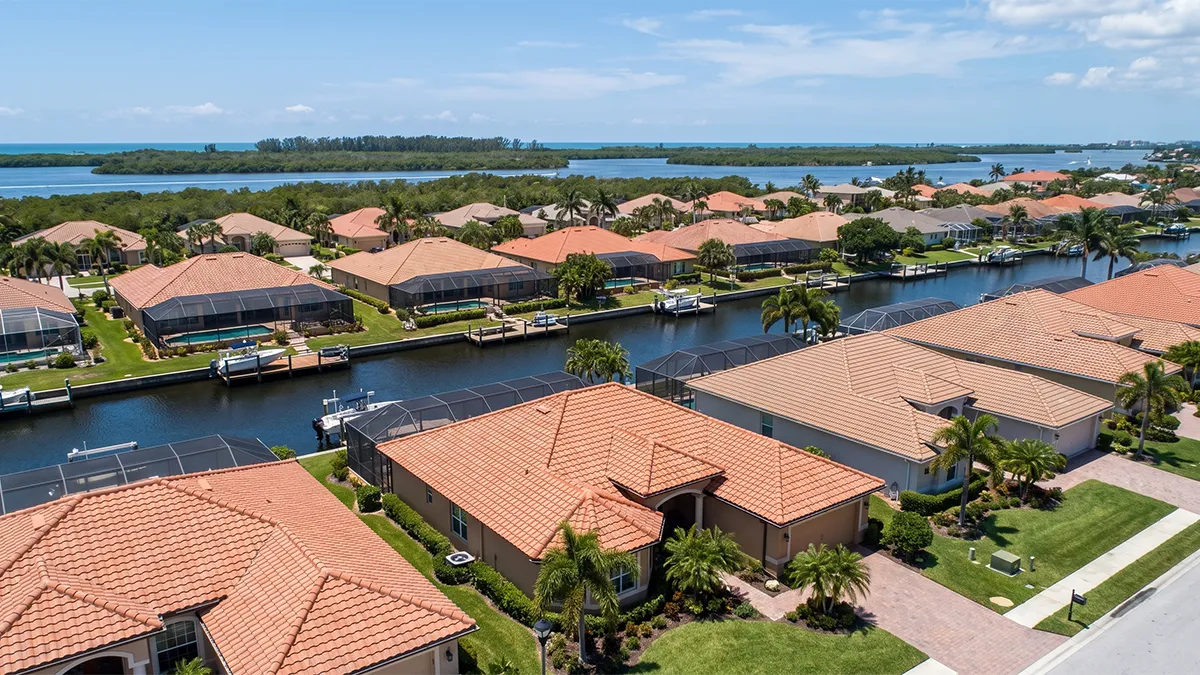
Runoff matters everywhere and it matters more here, with the intracoastal, the canals and the Gulf all within a short run of most properties. Plantings inside the dripline get pre-wet before any chemistry is applied, the perimeter gets a neutralizer rinse at the end, and rinse water is directed away from storm drains. Municipal stormwater systems discharge to surface water without treatment, which is why containment is not simply a courtesy to your landscaping. Background on soft wash versus pressure wash.